
Transporting crude oil requires specialized equipment, trained personnel, careful logistics coordination, and a strong focus on safety and compliance. Alpha Petroleum provides crude-oil transportation and midstream logistics for approved movements between petroleum sources, refineries, rail yards, and other supported destinations in California.
Prepare the pickup location, destination, approximate volume, loading conditions, access details, and requested schedule for an initial review.Build shipment details
Alpha Petroleum (APT II / AEEC) provides high-quality, efficient, and compliant crude-oil midstream logistics in California. Transporting a resource like crude oil requires specialized training and expertise, and the work is planned around the specific movement rather than a generic route.
The transportation process begins with reviewed pickup conditions, material information, access, loading or pumping requirements, and scheduling, so the crew arrives with the right plan for the site.
Alpha Petroleum coordinates tanker transportation using trained personnel and appropriate equipment based on the approved project scope. Tanker trucks can pump crude oil from the source and carry it on the coordinated route.
Loads are delivered to refineries or rail yards. Receiving requirements and project details are reviewed before transportation is confirmed rather than assumed, and other destination types are considered case by case.
Some customers require recurring or ongoing transportation coordination. That can be reviewed against the locations, volume, schedule, equipment, and operating requirements involved.
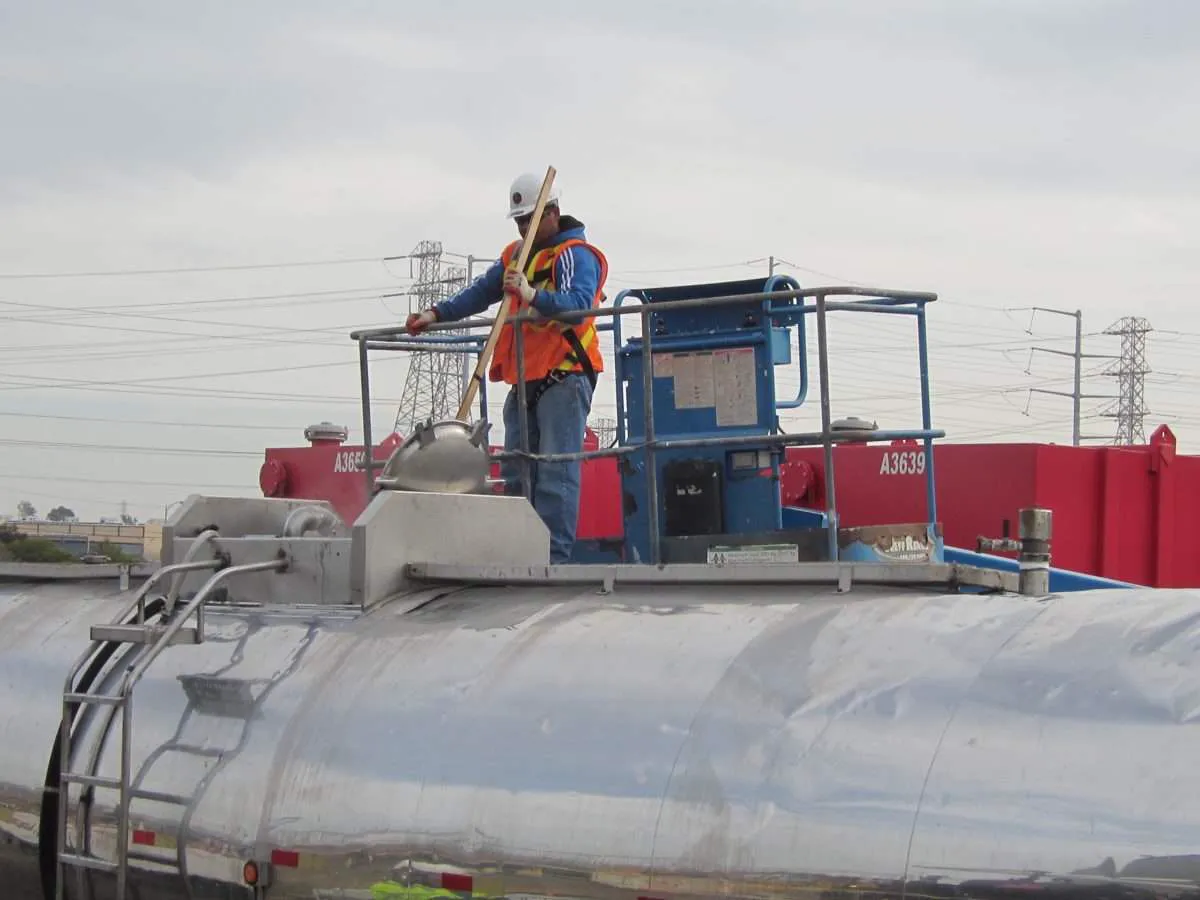
Crude oil generally moves from a source such as a production site, storage tank, or petroleum facility to a destination such as a refinery or rail yard. Select the closest source and destination conditions to see the information Alpha Petroleum may need for an initial review. This is preliminary service guidance only. It is not confirmed service acceptance, a regulatory classification, a confirmed route, an equipment assignment, a dispatch commitment, a price, or a delivery-time guarantee.
Likely transportation pathway
Select the closest movement type on the left and the likely pathway, the information to prepare, the related capabilities, and the next step will appear here. To discuss a movement now, call (951) 545-7374.
Alpha Petroleum may review transportation from a petroleum production site to a refinery destination. Final planning depends on the crude-oil characteristics, approximate volume, pickup conditions, loading method, destination requirements, access, scheduling, and applicable project information.
Information to prepare
Related capabilities
Related services
Movements from a storage tank or tank battery to a refinery are reviewed against the tank configuration, pumping arrangement, volume, and access at the pickup site, along with the receiving requirements at the refinery.
Information to prepare
Related capabilities
Related services
Rail yards and rail-transfer locations are established destination types for crude-oil deliveries. The pickup conditions, volume, receiving requirements at the rail location, and scheduling are reviewed before transportation is confirmed.
Information to prepare
Related capabilities
Related services
Refineries and rail yards are the established destination types. A terminal or storage-facility destination is reviewed against the receiving requirements and project details before transportation is confirmed, rather than assumed to be available.
Information to prepare
Related capabilities
Related services
Some customers require recurring or ongoing transportation coordination. Alpha Petroleum can review the lanes, volume, and schedule involved. Availability for a specific recurring movement depends on the locations, volume, schedule, equipment, and operating requirements.
Information to prepare
Related capabilities
Related services
A tight schedule is reviewed against the pickup conditions, destination requirements, volume, and equipment involved. Calling is the faster route for anything time-sensitive. If the situation involves an accident, spill, leak, or immediate hazard, that is emergency response rather than scheduling.
Information to prepare
Related capabilities
Related services
When crude-oil movement is part of a site or cleanup project, the transportation is coordinated alongside the other phases the project requires, so the work is planned as one scope rather than several disconnected jobs.
Information to prepare
Related capabilities
Related services
You do not need to have the pathway worked out in advance. Alpha Petroleum can review the crude-oil characteristics, approximate volume, pickup conditions, loading method, destination requirements, access, and scheduling and identify the appropriate approach.
Information to prepare
Related capabilities
Related services
Active spill, leak, accident, or roadside emergency? Contact 24/7 Emergency Response rather than using the quote process. Call (951) 545-7374.
You do not need every answer before contacting Alpha Petroleum. Gathering what you can from the list below gives the team enough to review the movement.
These details form a useful movement summary, for example: a crude-oil movement of roughly 180 barrels from a tank battery near Bakersfield to a refinery destination, pumped from the source, with limited site access and a requested schedule inside two weeks. Sending a summary is not confirmed service acceptance, a regulatory classification, a confirmed route, an equipment assignment, a dispatch commitment, a price, or a delivery-time guarantee. All prefilled details stay editable on the quote form.
Expand any capability to see what it involves. The full list stays visible whether or not the panels are expanded. Equipment, routing, scheduling, and acceptance are confirmed after the project is reviewed.
Moving crude oil requires specialized training and expertise, tanker equipment suited to the material, and logistics coordination across the movement.
Tanker trucks can pump crude oil from the source. The loading or pumping arrangement depends on the site, the material, and the equipment required, and is reviewed as part of the project scope.
Deliveries are made to refineries and rail yards. Receiving requirements and project details are reviewed before transportation is confirmed.
A systematic fleet maintenance program supports equipment and tanker readiness, with equipment, tankers, and technologies updated as the needs of crude-oil hauling evolve.
Tanker drivers are trained to employ careful, productive load-gauging and driving performance. Driving performance is monitored through in-cabin tracking, and drivers apply the feedback to improve their skills.
Alpha Petroleum uses operational monitoring and communication practices to support safe, coordinated transportation, with experienced logistics specialists overseeing how processes run. Shipment visibility is provided through APT II Live Track, which uses real-time GPS-based shipment tracking.
Emergency road assistance is available for transportation work. For an active spill, leak, or accident, use 24/7 Emergency Response, which is the dedicated pathway for incidents.
This is how a crude-oil movement generally runs from first request through delivery and follow-up. The exact path depends on the material, volume, pickup conditions, destination requirements, access, and schedule. The stages stay visible whether or not you expand them, and do not promise a route, equipment assignment, acceptance, capacity, or delivery time.
You share the pickup location, destination, material description, approximate volume, loading conditions, access details, and requested schedule.
The team reviews the crude-oil characteristics, volume, pickup conditions, destination requirements, access, and scheduling.
Appropriate tanker, pumping, scheduling, and communication needs are planned around the project details and availability.
Crude oil is pumped or loaded from the source under the reviewed pickup conditions, with load-gauging practices applied.
The load moves on the coordinated route with real-time GPS-based shipment tracking through APT II Live Track.
Product is delivered to the confirmed destination, and applicable documentation and follow-up communication follow the existing process.
Alpha Petroleum reviews the lanes, locations, volume, and frequency involved in the ongoing need.
Equipment and scheduling are planned around the expected movements and any seasonal pattern.
Movements are dispatched on the agreed locations and schedule, with communication maintained across the program.
Each movement runs the reviewed route to the confirmed destination with the same safety and compliance practices applied.
Transportation can be coordinated with site, cleanup, or waste phases when the wider project needs more than hauling.
Documentation and communication follow the existing process across the program, and the arrangement is reviewed as needs change.
Alpha Petroleum and Transport Inc. operates crude-oil transportation with safety and compliance at the core, guided by innovative technologies and data analytics so tasks are carried out accordingly.
Where a request falls outside crude-oil hauling, these services cover it.
Alpha Petroleum brings 25 years of experience to California petroleum transportation and logistics, with company locations in Corona, Los Angeles, Bakersfield, and Santa Paula supporting the work.
Location pages indicate where Alpha Petroleum operates rather than a location-specific crude-oil terminal or yard. The service applicable to a given movement is confirmed once the pickup location, destination, and project requirements are reviewed.
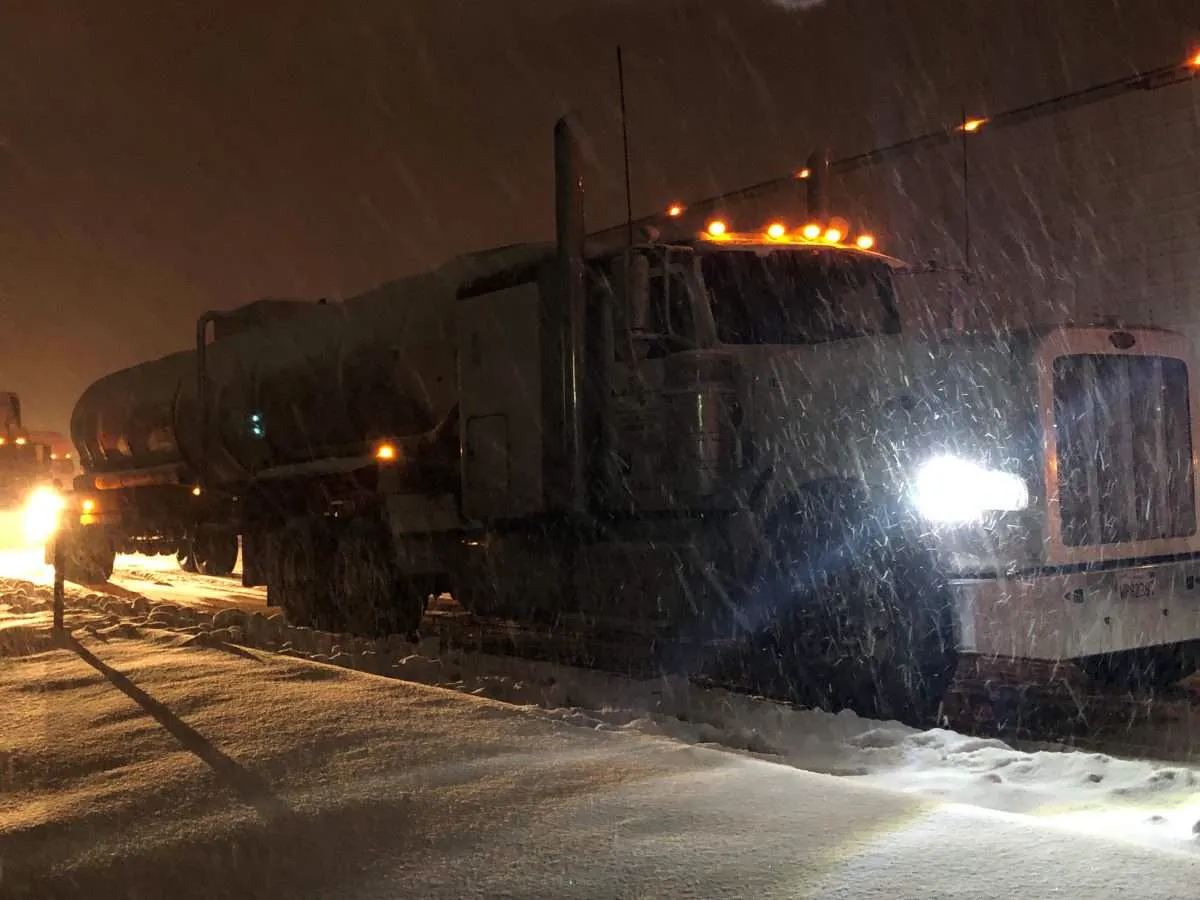
Helpful details include the pickup location, the destination, a material description, the approximate volume, the loading or pumping conditions, site-access details, the requested schedule or frequency, on-site contact details, and any available project documents.
Alpha Petroleum provides crude-oil midstream logistics in California, with deliveries to destinations such as refineries and rail yards. Other destination types are reviewed against the project details before transportation is confirmed.
Tanker trucks can pump crude oil from the source. The loading or pumping arrangement for a given site depends on the pickup conditions, material information, access, and equipment required, and is reviewed as part of the project scope.
Some customers require recurring or ongoing transportation coordination, and Alpha Petroleum can review that need. Availability for a specific recurring movement depends on the locations, volume, schedule, equipment, and operating requirements.
Refineries and rail yards are the established destination types for crude-oil deliveries. Terminals, storage facilities, and other destinations are reviewed against the receiving requirements and project details before transportation is confirmed.
Safety and compliance are at the core of operations. Public and environmental protocols are observed, drivers are trained in careful load-gauging and driving performance, a systematic fleet maintenance program supports equipment readiness, and operational monitoring and communication practices support safe, coordinated transportation.
Active spills, leaks, accidents, and roadside emergencies are handled through the dedicated 24/7 Emergency Response service and chemical and oil spill cleanup, rather than through the standard transportation quote process.
Alpha Petroleum's crude-oil transportation focus is California, with company locations in Corona, Los Angeles, Bakersfield, and Santa Paula. The service applicable to a given movement is confirmed once the pickup location, destination, and project requirements are reviewed.

Tell Alpha Petroleum where the material is located, where it needs to go, the approximate volume, the loading conditions, and the requested schedule. The team can review the information and discuss the next step.
Active spill, leak, accident, or roadside emergency?Contact 24/7 Emergency Response.