
A UST cleanup may grow because conditions below the surface do not always match what crews expected at the start. Investing in professional environmental cleaning services helps connect new findings with the next phase of the project. Alpha Petroleum can help keep testing, cleanup, waste handling, and restoration moving in the same direction.
Knowing what can change the cleanup area helps property owners better understand the work ahead.
Here are the clues that can expand the scope of a UST cleanup.
Key Takeaways
A cleanup can grow fast when hidden damage shows up beyond the tank.
Buried pipes, vapor paths, and deeper soil impacts can widen the work area.
Testing helps show where the problem ends and where cleaner soil begins.
Staining Reaches Past the Tank
Dark soil beyond the tank area can be a warning sign that the leak traveled farther than expected. Wet patches or odd colors may point to fuel or other material moving through nearby soil. Crews may need to look past the first dig area before deciding the cleanup is complete.
Testing can show how far the affected soil reaches and where cleaner ground begins. Alpha Petroleum uses environmental cleanup services in Corona, CA, to help map the problem and plan the next steps. Clear results help property owners understand why the work area may need to grow.
Pipe Bedding Shows a Second Problem
Buried fuel lines can create trouble far from the tank itself. A loose joint, fitting, or connection may let product leak into the soil packed around the pipe. That disturbed soil can give the release an easy path to move across the site.
Finding damage along a fuel line can turn one cleanup zone into two. Environmental cleanup services in Corona, CA, can help trace the affected soil and show how far the added work may reach. Alpha Petroleum can use those findings to help guide testing, removal, and cleanup around the damaged line.
Tank Zone to Pipe Zone Reveal
Watch how a cleanup concern can appear near the tank and again along buried piping farther across the site.
- Tank Cleanup Zone (diagonal lines, dashed outline)
- Buried Fuel Line in Pipe Bedding
- Connection or Fitting
- Second Cleanup Zone (dots, dotted outline)
The visual first shows an affected zone around an underground tank, then reveals a buried fuel line leading to a second affected area farther away.
Deeper Samples Stay Positive
A clean surface can give a false sense that the worst is over. Positive results deeper in the ground may show that petroleum moved well below the first layer of affected soil.
Soil Layers Can Hold Contamination in Place
Clay, sand, gravel, and fill can each change how petroleum moves underground. A dense layer may slow the release and cause it to collect instead of passing straight through. Deeper testing can reveal these hidden pockets before crews decide where the cleanup should stop.
Extra Depth Can Change How the Work Is Done
Reaching deeper soil can call for a different excavation plan than the one used near the surface. Crews may need added support, larger equipment, or a safer way to reach the affected area. Those changes can increase the amount of soil that must be removed, handled, and restored.
Vapor Follows Utility Paths
Hidden utility trenches can give vapor a route away from the original tank area. Loose soil around buried pipes and cables may let vapors travel farther than expected. New readings near those lines can show that the site needs a broader look.
Nearby buildings, drains, and service areas may need additional testing if vapor continues to show up along the same path. Environmental cleanup services in Corona, CA, can help trace where the vapor is moving and which areas may need attention. Alpha Petroleum can use those findings to guide the next phase of cleanup without overlooking nearby risks.
Can Clean-Looking Soil Still Be Contaminated?
Yes, soil can look perfectly normal and still contain petroleum compounds. Clean color and dry texture do not prove the ground is free of contamination. Laboratory testing can uncover problems that crews cannot see during excavation.
Ordinary-looking soil can change the cleanup plan once samples come back positive. Crews may need to remove or test areas that seemed safe during the first review. Those findings can expand the work past the spots that showed clear signs of a release.
Low Spaces Hold More Vapor
Pits and trenches can trap vapor after it moves through the ground. These low spots may show higher readings even when the area near the tank seems less active. A buildup in one of these spaces can reveal a hidden route beneath the property.
Uneven ground can make the full vapor pattern harder to spot at first. Testing low areas can help show where vapor has collected and how far it may have traveled. New findings may add more locations to the site review and cleanup plan.
Fuel Appears Beneath the Tank
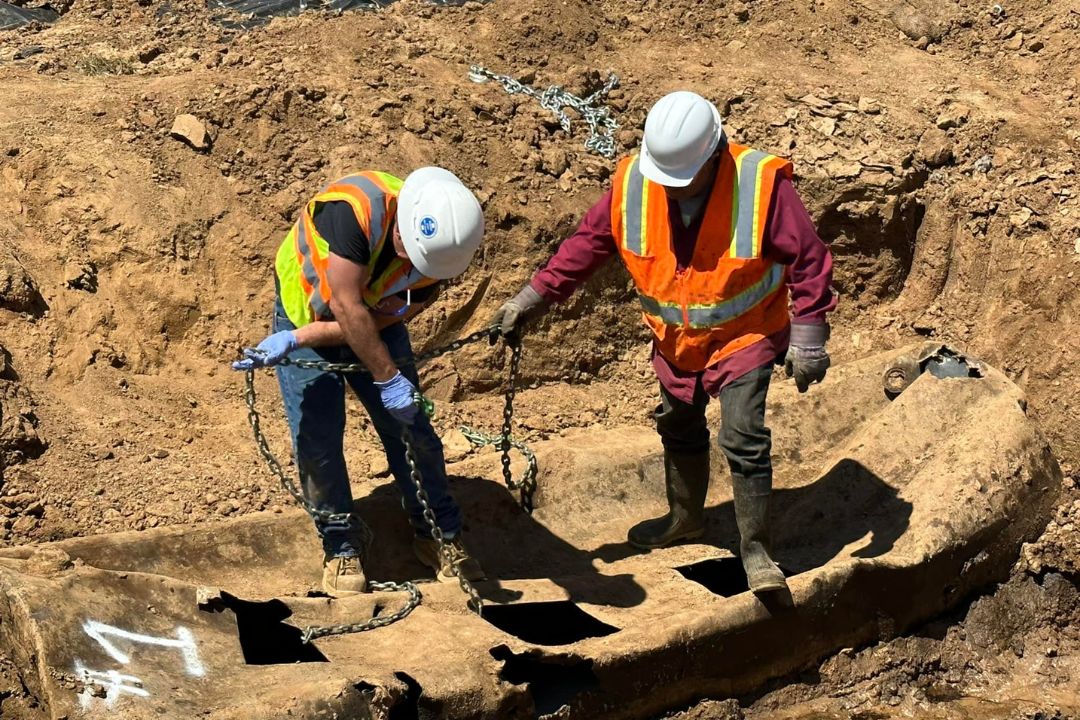
A tank can come out of the ground and still leave a serious clue behind. Fuel sitting below the former UST may indicate a release that remained trapped beneath the tank for years. That discovery can change the cleanup plan before crews can move on to backfilling and restoration.
The next steps depend on what crews find below the tank floor:
- Pooled Product Can Reach Lower Soil: Fuel that collects in one spot can keep soaking into soil beneath the excavation. Environmental cleanup services in Corona, CA, may need to address that deeper impact before clean fill is placed.
- The Excavation May Need More Depth: Removing the tank does not always expose the full affected zone. Crews may need to dig farther down to reach soil that still contains petroleum.
- Ground Conditions Can Slow Removal: Wet soil, loose material, or unstable sides can make deeper work harder to control. Those conditions may change how crews remove impacted soil and protect the excavation.
- New Samples Can Redefine the Cleanup Limit: Testing below the pooled fuel can show if the release stopped there or continued deeper. Positive results may push the cleanup boundary farther below the original tank area.
Fuel beneath a removed UST can turn the bottom of the excavation into the starting point for the next phase of cleanup.
Pooled Fuel Soak-Down Visual
See why pooled product beneath a former tank area can lead crews to look deeper than the original excavation.
- Original Excavation Limit (dashed black line)
- Pooled Product (dense dots)
- Conceptual downward path, with arrows
- Possible Deeper Impact (dashed outline)
The cross-section shows pooled product below a former tank area and a conceptual impact path extending into deeper soil beneath the original excavation.
We Offer Comprehensive Environmental Cleanup Services in Corona, CA
A cleanup can change quickly once testing reveals what is happening beyond the old tank area. Alpha Petroleum can help connect those findings with the cleanup, waste handling, and restoration work that follows. A wider view of the site can help property owners make better sense of what the project truly needs.
Frequently Asked Questions
A cleanup can grow when testing finds petroleum impacts beyond the original tank area. Deeper soil, buried piping, vapor movement, and separate release points can all widen the work.
Testing helps show where affected soil ends, and cleaner soil begins. Those results can give the cleanup team a clearer boundary for the work.
A release can affect buried piping, utility paths, low spaces, and other parts of the site. Cleanup planning may need to consider each area instead of focusing only on the tank cavity.
Different test results can show that petroleum did not spread evenly underground. One area may need more attention while nearby soil shows much less impact.
Yes, vapor can move through soil and follow underground openings away from the tank. Those paths may lead crews to review areas that sit outside the original excavation zone.
