
Environmental remediation helps crews respond to conditions uncovered during the removal process. Different parts of the property may need attention before the work is complete. A well-planned approach helps keep each stage organized and connected.
Property owners can get a clearer picture of why remediation belongs in the larger removal plan.
Here are the ways environmental remediation fits into an Isopentane underground storage tank removal.
Key Takeaways
Tank removal can uncover hidden problems that go far beyond the tank itself.
Environmental remediation helps connect cleanup, testing, waste handling, and site restoration.
A full-site approach can reveal issues around soil, piping, vapors, and other underground areas.
Removal Exposes What the Tank Was Hiding
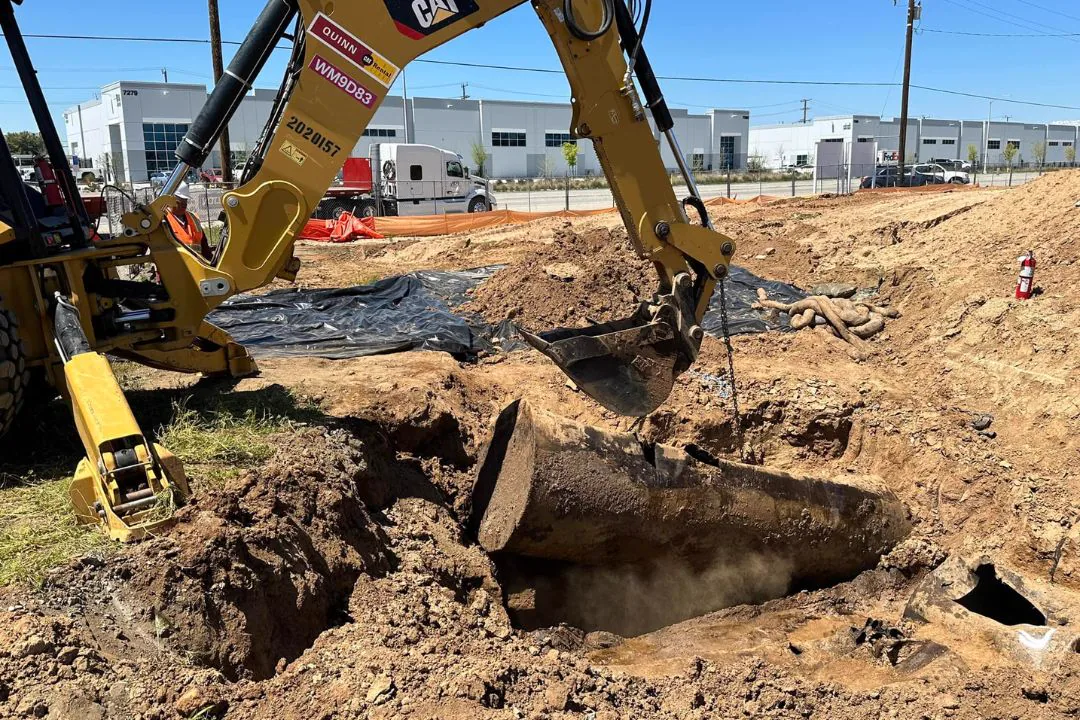
Taking the tank out can reveal problems that were hidden for years. Dark soil, wet patches, or strong fuel odors may show where material escaped into the ground. Those signs can change what needs to happen next on the site.
Crews may need to inspect the exposed area before filling the space back in. Soil that looks different from the surrounding ground can point to a larger cleanup need. Careful review at this stage helps make sure the removal does not leave an unseen problem behind.
Buried Pipes Can Change the Cleanup Zone
Buried piping can create trouble far beyond the spot where the tank once sat. Product may escape from old fill lines, fittings, or connection points and spread into another part of the property. Professional environmental cleanup in Corona, CA, can help identify these separate areas rather than treating the tank cavity as the only concern.
Lines that run away from the tank can leave behind damage that is easy to overlook during removal. Alpha Petroleum can review the full underground system and identify places that may need added attention. Looking beyond the tank itself helps reduce the chance of leaving affected soil behind.
Underground piping spread visual
Watch how buried piping can carry a cleanup concern beyond the original tank cavity.
This visual runs on its own and is a general illustration, not an assessment of any specific property.
- Tank cavity. The open space left where the underground storage tank sat.
- Buried fill line. Piping that runs away from the tank to another part of the property.
- Connection or fitting. A joint along the buried line where product may have escaped.
- Separate affected soil area away from the tank. Soil that may need attention even though it sits away from the tank cavity.
Practical next stepReviewing the full underground system can help show whether areas beyond the tank cavity need added professional attention.
Testing Defines the Real Project Footprint
Testing turns an open excavation into a clearer map of what is happening below the surface. Results can show which areas need attention and which areas may not require the same level of work.
Sample Depth Can Reveal Vertical Spread
Contamination does not always stay close to the surface. Samples taken at different depths can show whether petroleum compounds moved farther down into the soil. That information can affect how deep crews may need to work.
Lab Results Can Show Different Impact Levels
Two samples taken only a short distance apart can produce very different results. One area may show heavier impact while nearby soil shows much less. Those differences help crews focus remediation where it is actually needed.
Clean Boundaries Help Set Work Limits
Testing can help show where affected soil ends and cleaner soil begins. Those boundaries give the project a more defined stopping point during excavation. Clear limits can also reduce unnecessary digging in areas that do not need removal.
Does Isopentane UST Removal Include Soil Cleanup?
Yes, soil cleanup may be needed if testing finds petroleum impacts near the tank or its piping. Affected soil can sit below the old tank area or spread along buried equipment. Cleanup work helps remove or manage that material before the property is put back together.
Excavation may need to reach beyond the original tank space if test results show a wider concern. Crews can then focus on the soil that needs attention instead of disturbing the entire site. Addressing these areas before restoration helps keep the final phase of the project on solid ground.
Testing Defines the Real Project Footprint
Soil testing shows how far a problem may reach beyond the old tank area. Each sample gives crews a better view of what is happening below the ground. Professional environmental cleanup in Corona, CA, can use those results to guide the next stage of work.
Different test points may show very different soil conditions across the property. Some areas may need cleanup while others may need little or no added work. That information helps keep the project focused on the places that truly need attention.
Waste Handling Becomes Part of the Cleanup
Tank removal can leave behind several kinds of material that need careful handling. Soil, old tank parts, piping, and other debris may each require a different disposal path. Alpha Petroleum can help keep those waste streams organized as the cleanup moves forward.
The waste plan can change based on what crews uncover:
- Soil may need separate handling: Soil with petroleum impacts cannot always be treated like ordinary dirt. Crews may need to isolate it before transport or disposal.
- Tank debris can follow a different path: Metal from the tank may need to be cleaned and prepared before it leaves the property. That process helps keep leftover product from creating another problem during handling.
- Liquid waste needs its own plan: Residual fuel, rinse water, or other liquids may require separate collection. Keeping those materials contained helps prevent them from mixing with soil or other debris.
- Records help track what leaves the site: Waste paperwork can show where removed materials were sent. Good records also make it easier to document how each type of waste was managed.
Careful waste handling helps keep the removal and remediation work connected from excavation through final disposal.
Affected soil handling visual
Watch how petroleum-impacted soil may be kept separate from cleaner excavation material during professional remediation work.
This visual runs on its own and is a general illustration, not an assessment of any specific property.
- Affected soil. Material with petroleum impacts, shown with diagonal hatching and kept in its own labelled area.
- Cleaner excavation material. Material without those impacts, shown with a dotted texture and kept in a separate labelled area.
Practical next stepProfessional waste planning can help keep affected material organized separately from other excavation debris.
Vapor Movement Can Expand the Focus
Isopentane vapor can travel through soil and reach areas beyond the old tank location. Underground utility paths and open spaces may give vapor more room to move across the property. Professional environmental cleanup in Corona, CA, can include these nearby areas when site conditions raise concerns.
Vapor paths are not always easy to spot during the first stage of removal. Nearby underground features may need added review if they sit along a possible travel route. Looking beyond the tank area can give crews a better picture of how far the release may have reached.
Contact Us For Help With Environmental Cleanup in Corona, CA
Removing an Isopentane UST is only part of what the site may need. Alpha Petroleum can help manage cleanup, testing, waste handling, and restoration as one connected project. A complete approach helps uncover hidden concerns before the property moves on to its next use.
Frequently Asked Questions
Yes, leaks can come from fill lines, fittings, or connections instead of the tank itself. A full system review can help uncover trouble that might otherwise stay hidden.
Testing can reveal petroleum impacts that are not easy to spot by looking at the soil. Those results help environmental teams understand where more cleanup may be needed.
Contaminated soil may need to be removed and handled as part of the remediation work. Proper waste management helps keep the cleanup organized from removal through disposal.
Yes, vapors can travel through nearby soil and underground openings. Environmental teams may need to consider areas beyond the original tank location during the site review.
Site restoration usually follows removal, testing, waste handling, and any needed remediation. Completing the hidden work first helps keep unresolved problems from being covered too soon.
