
Alpha Petroleum excavates, profiles, transports, and disposes of contaminated soil across Los Angeles, Corona, and California. We can handle contaminated soil disposal on its own or as one phase of a larger remediation, cleanup, or tank-removal project.
Active spill, leak, or release?24/7 Emergency Response
Alpha Petroleum handles contaminated soil disposal across Los Angeles, Corona, and California, either on its own or as part of a larger cleanup. Impacted soil from fuel releases, chemical spills, and tank removals has to be profiled, moved, and disposed of correctly, and we take a project from the excavation through to the final disposal receipt.
Because the right handling depends on what is in the ground, the soil is tested and profiled before a disposal pathway is set. That single point of contact means you can coordinate excavation, profiling, loading, transportation, disposal, and documentation without lining up several contractors yourself.
With 25 years of experience, trained personnel, and appropriate equipment, Alpha Petroleum works with a focus on safety, compliance, and responsible environmental stewardship.

Contaminated soil projects can begin with a spill, a tank removal, an excavation discovery, an environmental assessment, or a broader remediation effort. The situations below stay visible whether or not you use the tool that follows. Final classification and disposal depend on the material profile and project review.
Contaminated soil projects may begin with a spill, tank removal, excavation, environmental assessment, or broader remediation effort. Select the closest description to see a likely project pathway, the Alpha Petroleum services that may apply, and the information to have ready. These results provide preliminary project guidance only. They are not a regulatory classification, a confirmation of disposal acceptance, an equipment decision, or a final quote. Final handling and disposal requirements depend on the material profile and project review.
Likely project pathway
Select an option on the left and the likely Alpha Petroleum services, the information to have ready, and the next step will appear here. For an active spill, leak, or release, use 24/7 Emergency Response or call (951) 545-7374 first.
Soil impacted by a fuel or petroleum release is profiled to determine classification and handling, then excavated, loaded, transported, and disposed of at a permitted facility matched to the material. Final handling and disposal requirements depend on the material profile and project review.
Services that may apply
Information to have ready
Related services
Soil affected by a chemical spill or industrial contamination is characterized through testing and profiling before it is excavated, loaded, transported, and disposed of. The disposal facility is matched to the profile. This is project guidance, not a regulatory classification or a confirmation of facility acceptance.
Services that may apply
Information to have ready
Related services
When impacted soil is exposed during a tank removal, the excavation, soil profiling, remediation, transportation, and disposal needs are best reviewed together. Alpha Petroleum can coordinate the connected phases so the tank work and the soil disposal stay under one point of contact.
Services that may apply
Information to have ready
Related services
If staining, odor, or suspect material turns up while digging, gather what you can about the site and material and Alpha Petroleum can review the details and explain the likely next steps. Testing and profiling help determine classification, transportation planning, and disposal options before the soil is moved.
Services that may apply
Information to have ready
Related services
When soil disposal is one phase of a broader remediation or cleanup, Alpha Petroleum can connect it with the related demolition, excavation, waste disposal, and hazardous waste transportation and disposal so you do not have to manage several contractors. The soil is still profiled and matched to a suitable disposal facility.
Services that may apply
Information to have ready
Related services
If the soil is already profiled, excavated, stockpiled, or boxed, the focus is roll-off transportation and disposal coordination at a permitted facility matched to the profile. Share the profile information, quantity, and location so the transportation and disposal can be planned.
Services that may apply
Information to have ready
Related services
If the material or stage is not yet confirmed, discuss the site, available reports, estimated quantity, and project timing with Alpha Petroleum. You do not need to make a soil classification yourself. For an active spill or release, use the 24/7 emergency path first.
Helpful to gather
Related services
This is how we handle contaminated soil, from the first project review through disposal documentation. The exact workflow depends on the material, quantity, site access, and timing. The stages below stay visible whether or not you expand them. Choose the path that matches your project.
You share the site location, what is known about the material, the estimated amount, any reports, site access, and timing through the quote or contact form or by phone.
Available testing and profiling information helps determine how the soil is classified and shapes transportation planning and suitable disposal options.
The soil is excavated and loaded under appropriate site controls, including a controlled exclusion zone where applicable, with attention to safety.
Project needs may include Alpha Petroleum equipment such as roll-off trucks for boxed soil and debris, moved with the required project documentation.
The destination is a permitted disposal facility matched to the material profile and project requirements.
You receive the manifests and disposal documentation you need for your records and relevant project requirements, including the final disposal receipt.
When the soil work is part of a larger project, related demolition, excavation, cleanup, waste handling, transportation, or remediation may be coordinated.
You share the wider project scope alongside the soil details, so the soil disposal can be planned as one phase of the remediation, tank removal, or cleanup.
Available testing and profiling information helps determine classification, transportation planning, and disposal options for the impacted soil.
Related demolition and excavation are coordinated with the soil work, and the soil is loaded under appropriate site controls, including a controlled exclusion zone where applicable.
Boxed soil and debris move on roll-off trucks, alongside any other transportation the project needs.
The soil is disposed of at a permitted facility matched to the profile, coordinated with any waste disposal and hazardous waste transportation and disposal the project involves.
You receive manifests and disposal documentation, including the final disposal receipt, for the soil and connected waste streams.
Backfill, restoration, and related remediation may be coordinated so the site work is completed under one point of contact.
Alpha Petroleum coordinates the connected phases of a contaminated soil project. Expand any capability to see what it involves. The full list stays visible whether or not the panels are expanded. Final classification and disposal depend on the material profile and project review.
Impacted soil is reviewed and profiled so it can be classified and matched to a suitable disposal option. Available sampling and profiling information shapes how the soil is handled, transported, and disposed of. Alpha Petroleum coordinates this review and does not provide a legal or regulatory determination through the website.
How it connects to a project
Related: Site Remediation
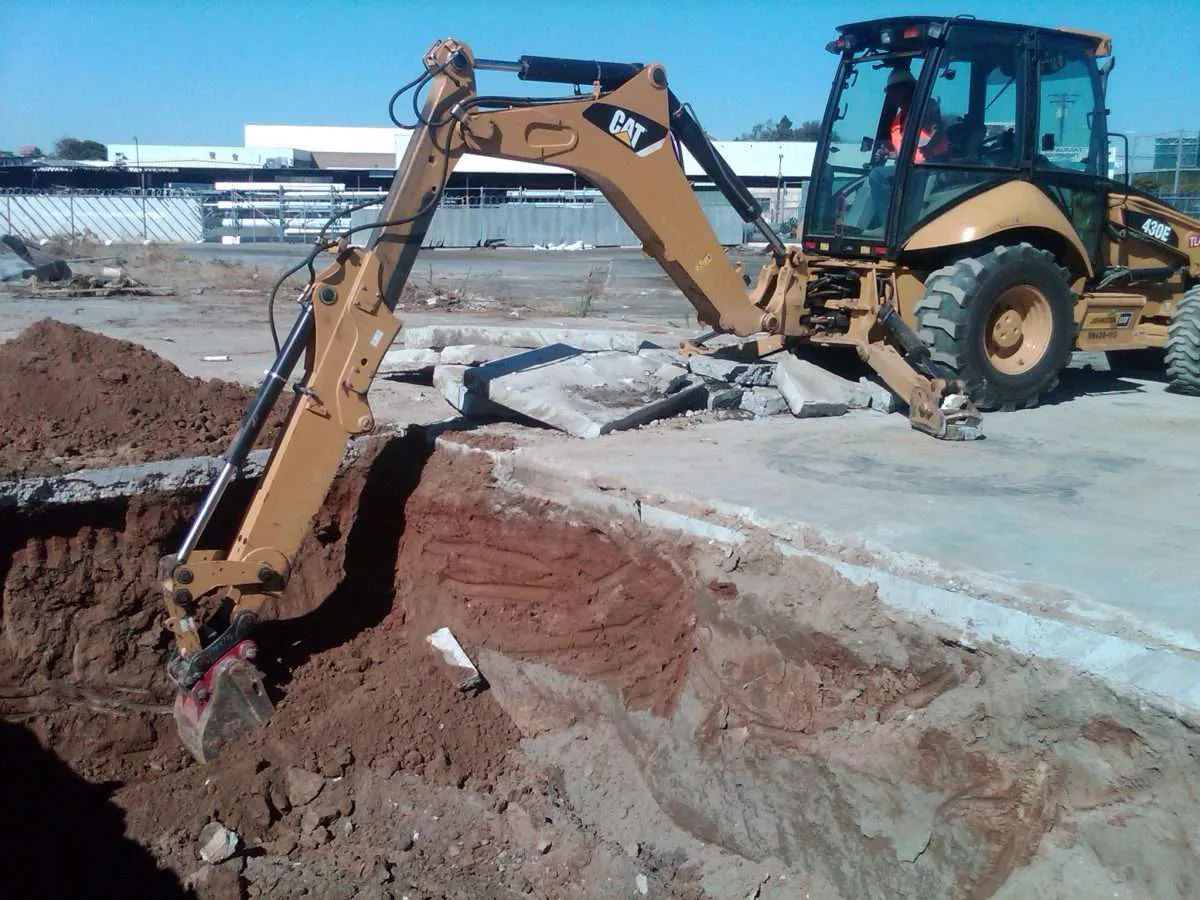
Soil is excavated and loaded under appropriate site controls, including a controlled exclusion zone where applicable. Trained personnel and appropriate equipment support safe excavation and loading.
How it connects to a project
Related: On-site and Industrial Cleanup
Project needs may include Alpha Petroleum equipment such as roll-off trucks for boxed soil and debris, moved with the required project documentation and attention to safety and environmental risk reduction.
How it connects to a project
Related: Roll-Off Truck Transport
The destination is a permitted disposal facility matched to the material profile and project requirements. Whether a given facility fits the soil depends on the profile and facility acceptance.
How it connects to a project
Related: Waste Disposal
Customers receive the manifests and disposal documentation they need for their records and relevant project requirements, including the final disposal receipt. The exact documents depend on the material and the project.
How it connects to a project
Related: Hazardous Waste Disposal
Contaminated soil work can connect to remediation, demolition, excavation, waste disposal, and hazardous waste transportation and disposal, so a multi-phase project stays under one point of contact and you avoid coordinating several contractors.
How it connects to a project
Related: Site Remediation, Hazardous Waste Disposal
Contaminated soil rarely travels alone. When it comes out of a broader site remediation or a tank pull, we can carry the whole job, from demolition and excavation to waste disposal and any hazardous waste transportation and disposal that goes with it, so you are not coordinating several contractors at once.
Boxed soil and debris move on our own roll-off truck transport, and the manifests and disposal documentation for the soil and the connected waste streams come back to you together. Handling the phases under one point of contact keeps the project moving and the records in one place.

Contaminated soil work often connects to broader environmental and transport services. These existing services can be coordinated when a project calls for them, so a multi-phase project stays under one point of contact.
For an active spill, leak, or release, call the 24/7 line first at (951) 545-7374, or the after-hours line at (951) 545-7374, and use 24/7 Emergency Response. Do not delay an emergency call to complete this checklist.
You do not need every answer before contacting Alpha Petroleum, and you do not need to make a soil classification yourself. Providing the information currently available helps the team understand the project. Gather what you can from the list below.
The details above form a useful project summary. Adding them to a quote request is not a quote, an acceptance decision, a regulatory classification, or a disposal authorization; it gives Alpha Petroleum enough to review the project and identify the next step. All prefilled details stay editable on the quote form.
Alpha Petroleum and Transport Inc. brings 25 years of experience to contaminated soil work, mobilizing across Los Angeles, the Inland Empire, and California from our Corona, California base. Share the site location, what is known about the soil, available reports, and the current project stage. Alpha Petroleum can review the details and explain the likely next steps.
Our California focus means local knowledge of the sites, rules, and conditions that shape a soil project. Coverage for a specific project, and the disposal pathway, are confirmed after reviewing the details. We do not promise exact arrival or mobilization times.
Helpful details include the site location or ZIP code, how the contamination was discovered, the known or suspected material, whether soil-profile or laboratory reports are available, the approximate quantity if known, whether the soil is still in place, excavated, stockpiled, or boxed, site-access constraints, and preferred timing. You do not need every answer before contacting Alpha Petroleum, and you do not need to classify the soil yourself. Final classification, transportation, and disposal options depend on the material profile and project review.
Impacted soil is tested and profiled so it can be classified and matched to a suitable disposal option. Available sampling or profiling information helps determine classification, transportation planning, and disposal facility selection. If testing has not been done yet, share what you know about the site and material and Alpha Petroleum can help identify the next step. Alpha Petroleum coordinates the work and does not provide a legal or regulatory determination through this website.
Yes. Alpha Petroleum can excavate and load contaminated soil under appropriate site controls and transport it using its own equipment, including roll-off trucks for boxed soil and debris. The service can cover the project from excavation through transportation and final disposal documentation, or handle a single phase when that is all that is needed.
Yes. Contaminated soil often comes out of a broader site remediation or a tank removal. Alpha Petroleum can coordinate connected phases such as excavation, soil profiling, transportation, disposal, waste disposal, and hazardous waste transportation and disposal, so you do not have to manage several contractors at once.
Customers receive manifests and disposal documentation for their records and relevant project requirements, including the final disposal receipt. The exact documents depend on the material and the project. Alpha Petroleum organizes the applicable records and confirms the completed scope.
Yes. Alpha Petroleum coordinates contaminated soil disposal across Los Angeles, the Inland Empire, Corona, and California, mobilizing from its Corona, California base, with location pages for Los Angeles, Corona, Bakersfield, and Santa Paula. Coverage for a specific project is confirmed after reviewing the details.
Yes. If the soil is already profiled, excavated, stockpiled, or boxed, Alpha Petroleum can coordinate roll-off truck transportation and disposal at a permitted facility matched to the material profile. Share the profile information, quantity, and location so the transportation and disposal can be planned.

Tell us where the site is, what is known about the material, whether reports are available, and which project stage you are in. Alpha Petroleum can help identify the next steps for excavation, transportation, disposal, and related remediation needs. For an active spill or release, contact 24/7 emergency response now.
Active spill or release?24/7 Emergency Response. After hours: (951) 545-7374